How to launch a product faster and claim your market niche
- MVP
- development


Contents
- Why products get stuck in development
- MVP is a starting point, not a shortcut
- How to design an MVP
- 1. Align on the brief
- 2. Analysis and product design — building the foundation
- 3. Build and launch
- Using fix time, fix budget, flex scope
- Keeping the timeline and budget under control
- MVP isn’t a compromise. It’s a strategy
Imagine your competitor is already launching while you’re still approving designs. By the time your team adapts the product to today’s requirements, users already want something else. Markets move fast: the window of opportunity closes, someone else takes the niche and the original hypothesis becomes outdated.
At Depot 42, we’ve built an approach that helps us launch complex IT products in 6 months — even when a typical development cycle takes a year. It works for SaaS products, large-scale platforms and online systems.
Here’s how we do it.
Why products get stuck in development
Launches rarely fail because of code or design. The problem is usually in the process and priorities:
- Chasing perfection. The team keeps polishing details and adding features instead of shipping a working version.
- Unclear goals. There’s no shared understanding of what the first version really needs.
- Too many features. The team tries to include an account area, analytics, integrations and other secondary features from day one.
- No clear priorities. Dozens of tasks run in parallel without bringing the product any closer to launch.
- Late testing. Problems surface just before launch, when they’re slower and more expensive to fix.
- The wrong development approach. Instead of fix time, fix budget, flex scope, the project follows a process where both the timeline and scope keep growing.
The result? A product stuck in permanent beta while competitors launch MVPs, collect feedback and keep improving.
The goal is to test the business hypothesis as early as possible: build an MVP and put it in front of real users.
MVP is a starting point, not a shortcut
When launching a new product, the main question is: What does the user need right now?
The answer is an MVP — minimum viable product. It’s a basic version that already solves the user’s main problem without being overloaded with secondary features.
For example, the first version of Zoom focused on the core use case: video meetings and collaboration. That was enough to enter the market, collect feedback and understand where to take the product next. Virtual backgrounds, reactions, breakout rooms and integrations came later.
Two things worth clarifying:
- MVP ≠ rough prototype. A prototype tests ideas. An MVP works and delivers real value to users.
- MVP ≠ final product. It’s the first working version, which develops through further iterations.
An MVP doesn’t need to be perfect. It needs to work and give you a way to collect feedback. An early release shows what users really care about and where resources should go next.
Why build an MVP:
- Save resources. Avoid spending months and budget on unnecessary features.
- Launch faster. Get the first version to market within a few months.
- Collect feedback. Validate decisions with real users.
How to design an MVP
Most companies don’t have a team that can design a complex system in 4 weeks. We’ve developed a framework that takes a product through this stage in a month, followed by another 5 months to build and launch it.
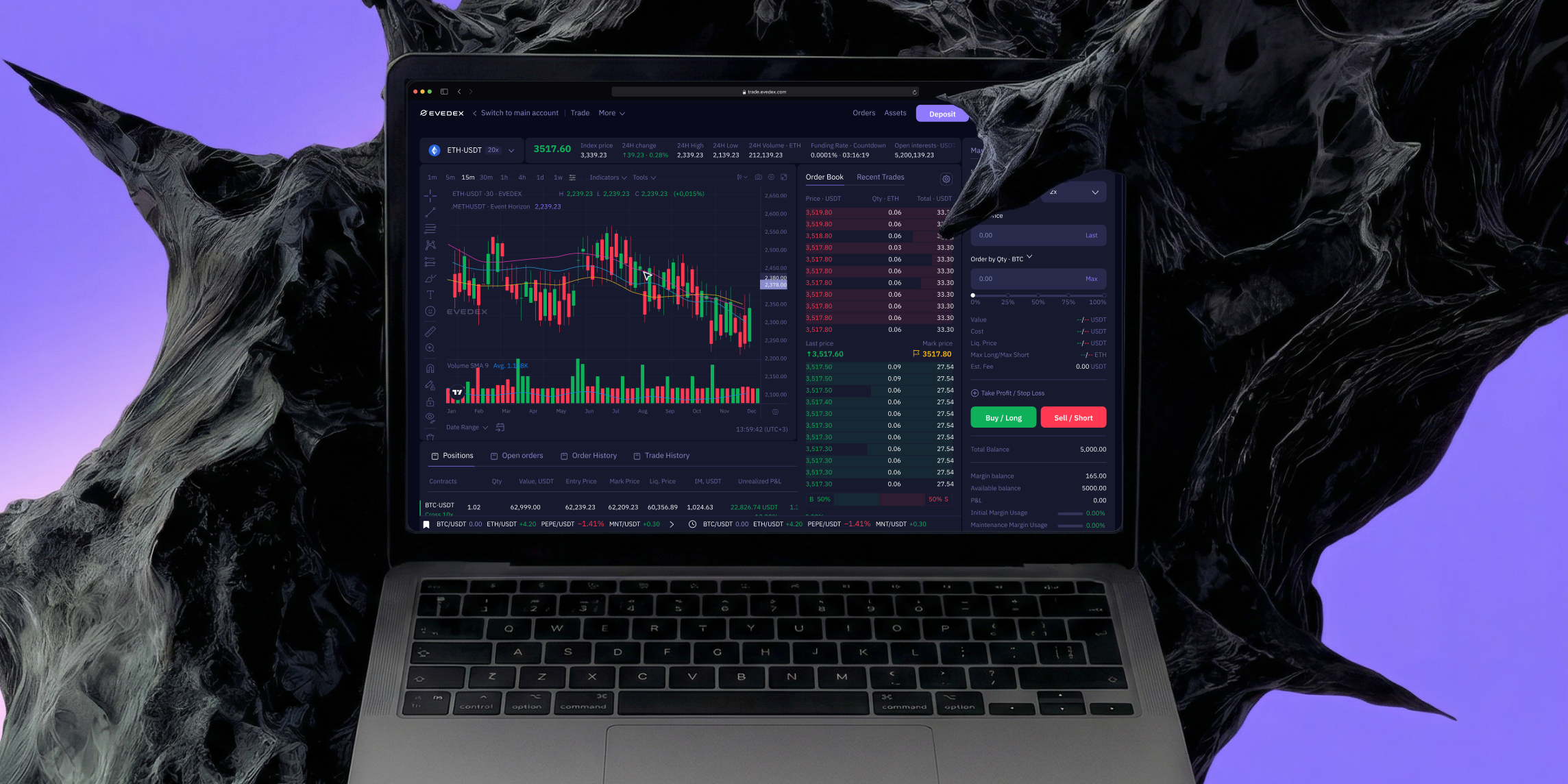
This includes large-scale products such as a gamified crypto exchange — systems that can otherwise take years to build.
Read also
Product design for the EVEDEX DEX ecosystem
We’ve been developing this approach since 2013 across large projects and start-ups where speed has a direct impact on the business. It helps us launch complex IT platforms and validate hypotheses quickly, even when a project starts with nothing more than an idea.
1. Align on the brief
Project Understanding (project brief) is a document that captures the core of the project: what needs to be built, why it matters, how we’ll approach it, what resources are required and how success will be measured.
It aligns the client, our team and other contractors around the same understanding of the project. A 30–40 minute call is enough to prepare it. After the meeting, we put together a detailed proposal with the timeline and budget. The client doesn’t need to provide a finished technical specification.
Read also
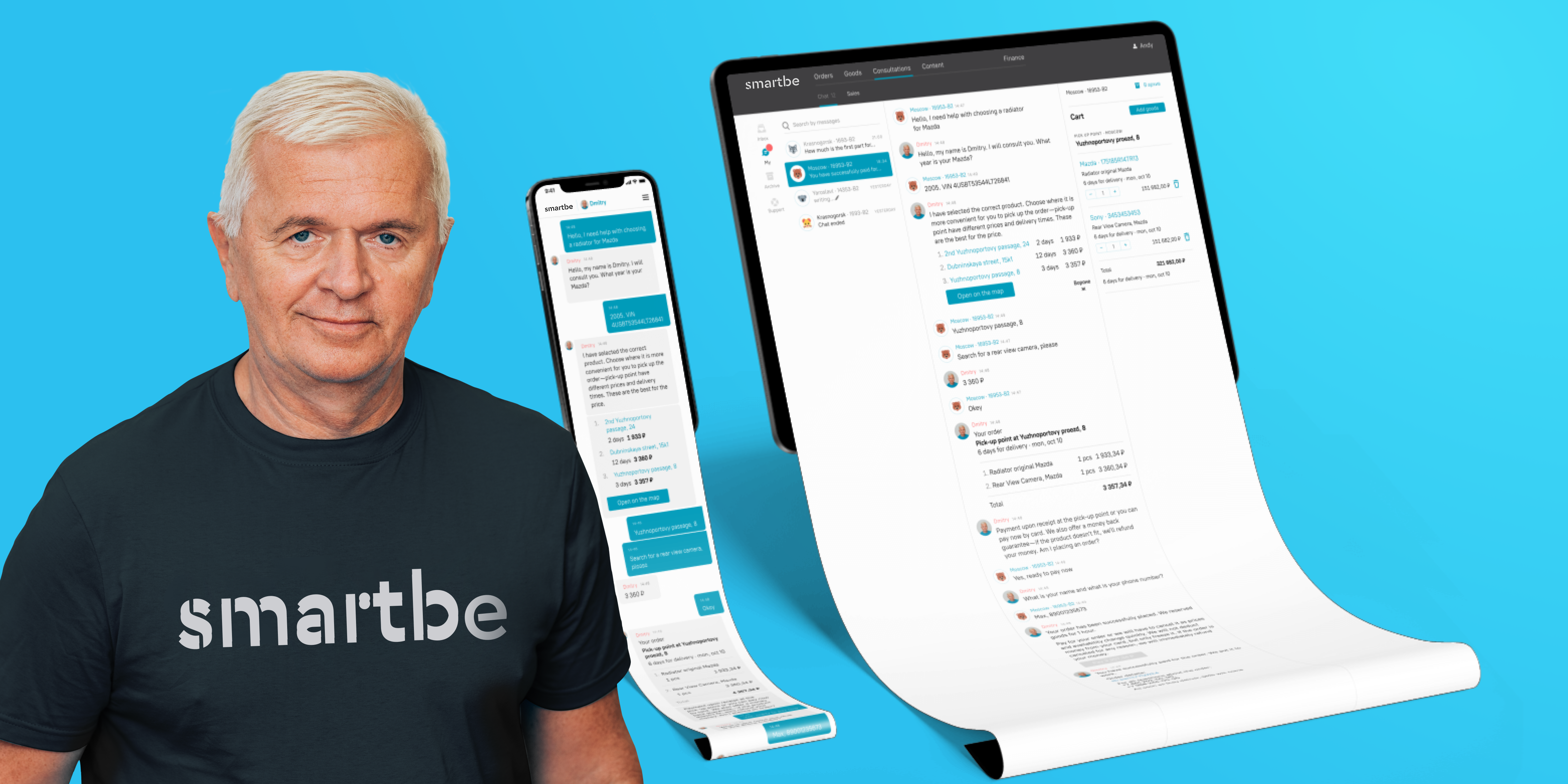
Chat service for auto parts buying
For example, an auto parts marketplace might come to us asking for a catalogue with make and model filters. During the discussion, we discover that users are losing time finding compatible parts and checking sellers.
For the MVP, VIN-based matching, seller ratings and a fast basket become more important. Advanced comparison and integrations can wait.
2. Analysis and product design — building the foundation
For a complex product, defining the exact boundaries of the MVP is critical. We allocate one month to analysis and product design.
During that month, we:
- clarify goals and success metrics;
- gather requirements and map business processes;
- run product analysis and build a User Story Map;
- create a clickable prototype of the core user flows;
- define the architecture and technology stack;
- identify what can be reused from existing solutions;
- document integrations;
- prioritise the backlog;
- build a launch plan with the team and sprints;
- estimate the MVP timeline and budget.
By the end of the month, the MVP has clear boundaries: requirements, roles, user flows and business processes. Development can then start with us or another team.
Choosing the technology
Once the product has been designed, we know what the MVP includes and which stack it needs. We usually work with proven JavaScript or .NET stacks, but adapt to the project’s infrastructure and requirements.
When choosing technologies, we consider:
- Talent availability — so it’s easier to find developers who can maintain and develop the product.
- Relevance — so the product doesn’t need to be rebuilt soon after launch.
- Reliability — an MVP should be a fully working product.
- Scalability — the system needs to support future growth.
Building the team
We put together a dedicated team for each project. Depending on the work, it can include a project manager, analyst, designers, developers, QA engineers, DevOps engineers and integration specialists.
We bring in additional specialists when needed. If someone becomes temporarily unavailable, we redistribute tasks or find a replacement so the project keeps moving.
Core roles include:
- Project manager — manages the project and coordinates the team.
- Designer — designs interfaces and prepares screens.
- Art director — defines and oversees the visual direction.
- Analyst — works through the product logic and documents tasks.
- Lead developer — owns the architecture, technical practices and code reviews.
- Developer — builds the product.
- QA engineer — tests functionality and stability.
3. Build and launch
After the first month of product design, we have 5 months to build and launch the MVP. Design and development run in parallel.
While designers work on the concept and first screens, developers set up the infrastructure and technical foundation. Approved designs go straight into development.
Here’s how the process works:
- Management. A project manager owns the project and coordinates the whole process.
- Sprints. Every week, we show progress, collect feedback and adjust the work.
- Parallel work. Product design, visual design, development and testing run simultaneously wherever possible.
- Concept. We first agree on the visual direction using a key page, then extend it across the remaining user flows.
- Designs. We work through the screens and hand development-ready materials over in Figma.
- Backlog. We regularly review tasks and priorities.
- Testing. We test throughout development rather than waiting until just before release.
- Timeline and budget. We track both throughout the project.
Using fix time, fix budget, flex scope
We launch MVPs using the fix time, fix budget, flex scope approach: the timeline and budget stay fixed while the scope remains flexible.
If a feature turns out to be too complex or expensive for the first version, it moves to a later iteration. This keeps secondary features from delaying the release.
For example, one football project originally included advanced analytics for coaches. Some features proved too complex for the first release, so the MVP focused on a basic dashboard and team management. The remaining functionality was added later.
This helps us:
- focus on the features that matter most;
- keep the MVP lean;
- control the budget and timeline;
- change priorities as the project develops;
- launch on the planned date.
Keeping the timeline and budget under control
We plan the budget month by month and track it throughout the project. If there’s a risk of overspending, we discuss it with the client straight away.

New user flows and additional features are estimated separately. We prioritise them in a way that protects the agreed timeline and budget.
Instead of trying to fit everything into the first version, we launch the product’s core, collect feedback and build from there.
MVP isn’t a compromise. It’s a strategy
Launching early helps a business claim its niche sooner and validate the hypothesis with real users. Our experience shows that even a complex product can reach release in 6 months.
That requires:
- defining the MVP scope;
- fixing the timeline and budget;
- setting up the right processes;
- working in short iterations;
- responding to change quickly;
- staying focused on the product’s core value for users.
The goal isn’t to build less. It’s to launch the right core product sooner, learn from real users and decide what to build next based on evidence rather than assumptions.
Read more

AI can build it. Building a good product is harder
- AI
- product design

AI in development: how to move faster without turning your product into a stack of hacks
- development
- AI
Our projects


Digital product development
for scalable web and mobile products. UI/UX design, development, and end-to-end delivery
Let’s talk
By clicking the button I agree to the Privacy Policy
Message sent
We'll get back to you soon