How to turn an idea into a digital product: from hypothesis to launch
- product design
- MVP


Contents
Almost every IT product starts the same way: “What if we built a product that…?” But turning that idea into a working product takes dozens of decisions, tests and iterations.
In this article, we’ll look at how to build a digital product from an initial idea and hypothesis to launch and the first iterations — without wasting budget or losing sight of what users actually need.
Why it all starts with an idea
In IT, an idea isn’t just inspiration or “I think this would be cool”. It starts with a user problem and a hypothesis about how to solve it.
Most ideas fail because they never get beyond “we want to build this”. “We want to build a digital marketing service” doesn’t answer why the market needs it. But “users have to switch between different products, and we can help them do everything in one place” is something you can actually test.
There’s a big difference between wanting to build something and knowing why people need it. It’s like opening a coffee shop simply because you love coffee, versus opening one because there are plenty of offices nearby, people have nowhere to quickly grab a good takeaway coffee, and you already understand the demand and average spend.

Defining your hypothesis and product goals
A product hypothesis is an assumption you can test: “if we do X, users will do Y, and we’ll achieve Z”.
It needs to answer three simple questions:
- who are we building this for;
- what problem are we solving;
- which metrics will tell us if it worked.
For example, for the Smartbe auto parts bying service:
- audience — people without specialist knowledge;
- goal — help users find spare parts at a good price and track delivery;
- metrics — order conversion and time to make a decision.
These hypotheses then turn into product goals tied to business metrics and user behaviour: registrations, retention and use of key features.
Researching users and the market
Research before design and development helps us test assumptions and avoid spending the budget on features nobody will use.
We want to understand:
- how users solve the problem today;
- what they dislike about the current options;
- why they would choose your product;
- what they’re actually willing to spend time or money on.
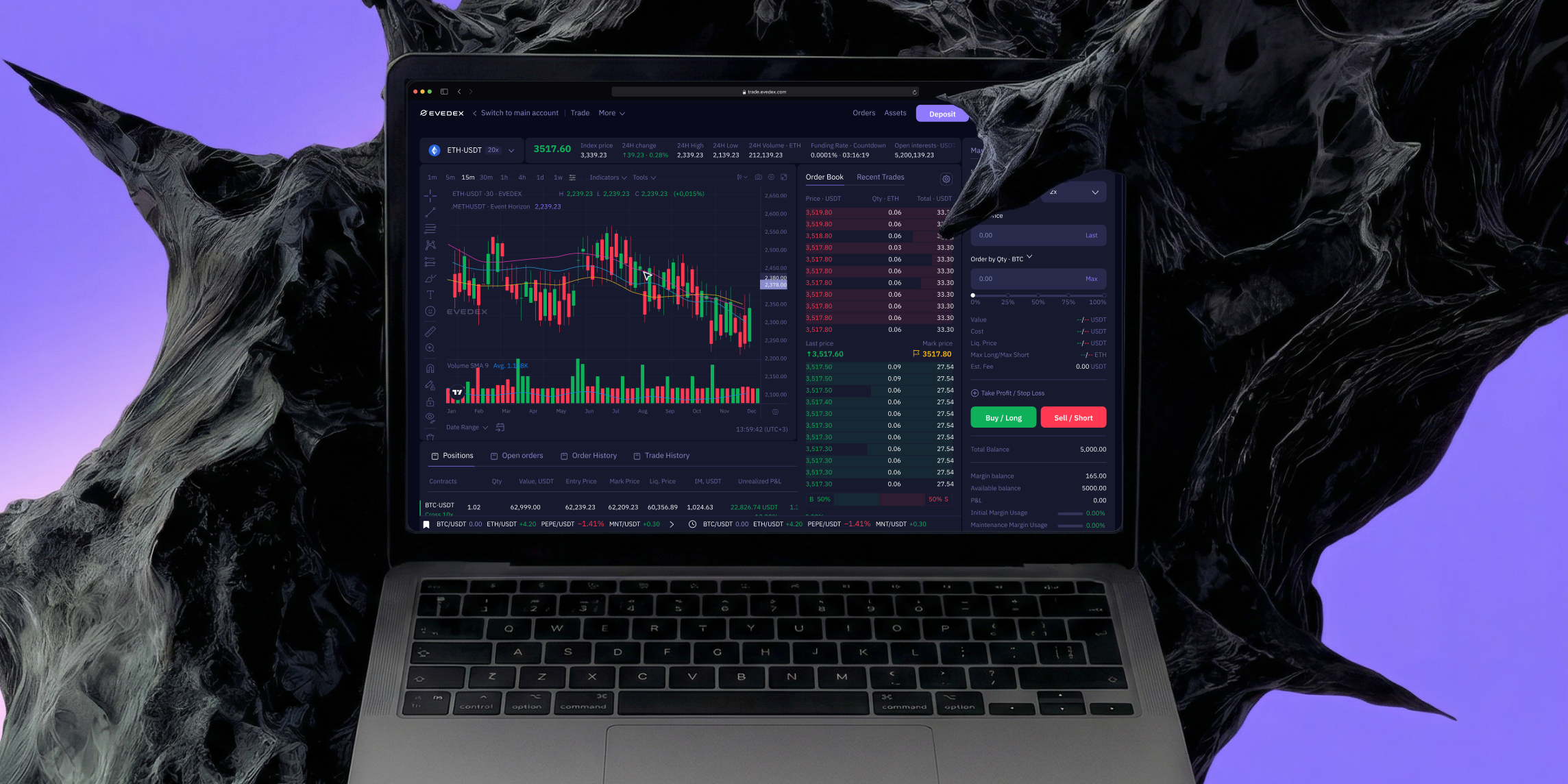
In EVEDEX, we found that crypto exchange users struggled with complex logic, a high entry barrier and overloaded interfaces. So we focused the product on education, trading simulators, guidance and a clearer UX.
Read also
Product design for the EVEDEX DEX ecosystem
You don’t need months of research to get these insights. A few interviews, competitor analysis, short surveys, and looking at market and user behaviour are often enough to get started.
Designing the UX: flows and product logic
UX is about making it clear what users need to do, why they need to do it and where to click.
We start with user flows, from the first interaction with the product to completing a task. For example, in the Emex project, we needed to understand what tasks suppliers perform, where they get stuck and where they are likely to make mistakes.
From there, we design screens, transitions and states. The focus is on what users need to achieve, not on the team’s internal structure or technology.
UI design: making the visuals work for the product
UI comes in once the core logic is in place. Its job is to support the UX:
- create a clear visual hierarchy;
- reduce cognitive load;
- keep the interface consistent.
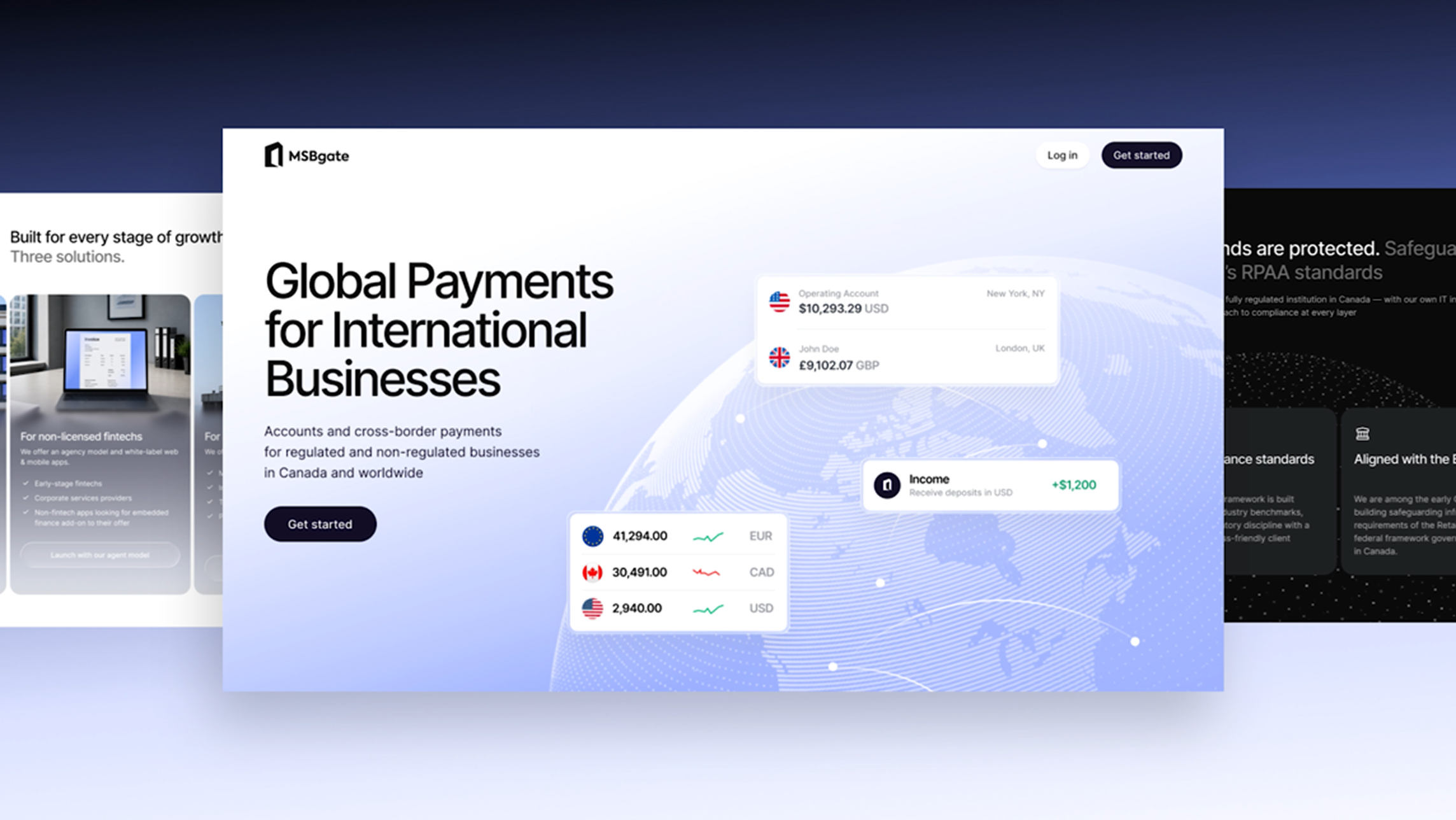
UI won’t fix poor UX or a weak idea, but it can make a strong product even better. In the MSB Gate project, for example, the visual design reinforces trust in the company and puts the focus on its services.
Read also
AI-powered website development for an international fintech company in 15 days
Development and technical decisions
This is where the design becomes a working product. The frontend brings the interface to life; the backend handles business logic, data and integrations.
We think about architecture and scalability early on. The product needs to handle more users, roles and features, as well as increasing traffic and system load. Otherwise, every new iteration gets more expensive.

For one football project, we started with an MVP and launched a working product in 7 months. It included a training calendar, knowledge base, multilingual support and three key roles: coach, analyst and league manager. We saved the remaining roles and features for later iterations, while building enough flexibility into the architecture from the start.
Testing and preparing for launch
Testing helps us find problems before users do. The main types are:
- functional testing — does everything work;
- UX testing — is the interface clear;
- load testing — can the system handle the load.
At Depot 42, we start testing during design and development. We conduct UX interviews, test hypotheses with real users and regularly test user flows ourselves, including error scenarios. This helps us find problems before release rather than after users start reporting them.
Before launch, you also need basic documentation, support and analytics. That way, you can launch an IT startup without avoidable problems for users and the business, rather than simply putting a product into production and hoping for the best.
Launch and the first iterations
Launch isn’t the finish line. It’s the starting point. Once real users start using the product, you get honest feedback: what makes sense, what works, and where people get stuck.
The first iterations are usually about:
- improving key user flows based on actual behaviour;
- making the product more valuable to users;
- carefully improving what already works.
We keep an eye on metrics, the market and real usage patterns. Then we adapt the product, improve existing features and add new ones.
That’s what the product development process really looks like: an idea turns into a working service that evolves and stays relevant, rather than something you launch once and consider finished.
Read more

AI in development: how to move faster without turning your product into a stack of hacks
- development
- AI

How to launch a product faster and claim your market niche
- MVP
- development
Our projects


Digital product development
for scalable web and mobile products. UI/UX design, development, and end-to-end delivery
Let’s talk
By clicking the button I agree to the Privacy Policy
Message sent
We'll get back to you soon